





Planning your first trip to China can feel exciting, but also a little overwhelming. China is a huge country with ancient history, modern cities, diverse landscapes, and very different regional cultures. From the Great Wall in Beijing to the skyline of Shanghai, from peaceful lakes in Hangzhou to dramatic mountains in Zhangjiajie, there is a lot to choose from.
This guide is designed for first-time visitors who want a clear, practical overview before planning their China journey.
Is China Good for First-Time Travelers?
Yes, China can be a wonderful destination for first-time travelers, especially if your itinerary is well planned.
Major cities such as Beijing, Shanghai, Hangzhou, Xi’an, Chengdu, and Guangzhou are modern, safe, and well connected by high-speed trains and domestic flights. Popular tourist destinations usually have good hotels, restaurants, transportation, and English-speaking guide services.
That said, China can also feel different from many Western destinations. Language barriers, mobile payments, transport systems, and local customs may take some time to understand. For this reason, many first-time travelers prefer a private or customized itinerary, especially when visiting multiple cities.
Best Places to Visit in China for First-Time Travelers
For a first trip to China, it is usually best to focus on a few major highlights instead of trying to see too much.
Beijing
Beijing is one of the best places to start. It is home to the Great Wall, Forbidden City, Temple of Heaven, traditional hutongs, and many important cultural landmarks.
If you are interested in Chinese history, imperial culture, and classic sightseeing, Beijing should be high on your list.

Shanghai
Shanghai offers a completely different side of China. It is modern, international, stylish, and easy for first-time visitors to explore.
Popular highlights include the Bund, Yu Garden, French Concession, Lujiazui skyline, local food streets, and nearby water towns. If you want to experience modern China with a mix of old and new, Shanghai is a great choice.

Xi’an
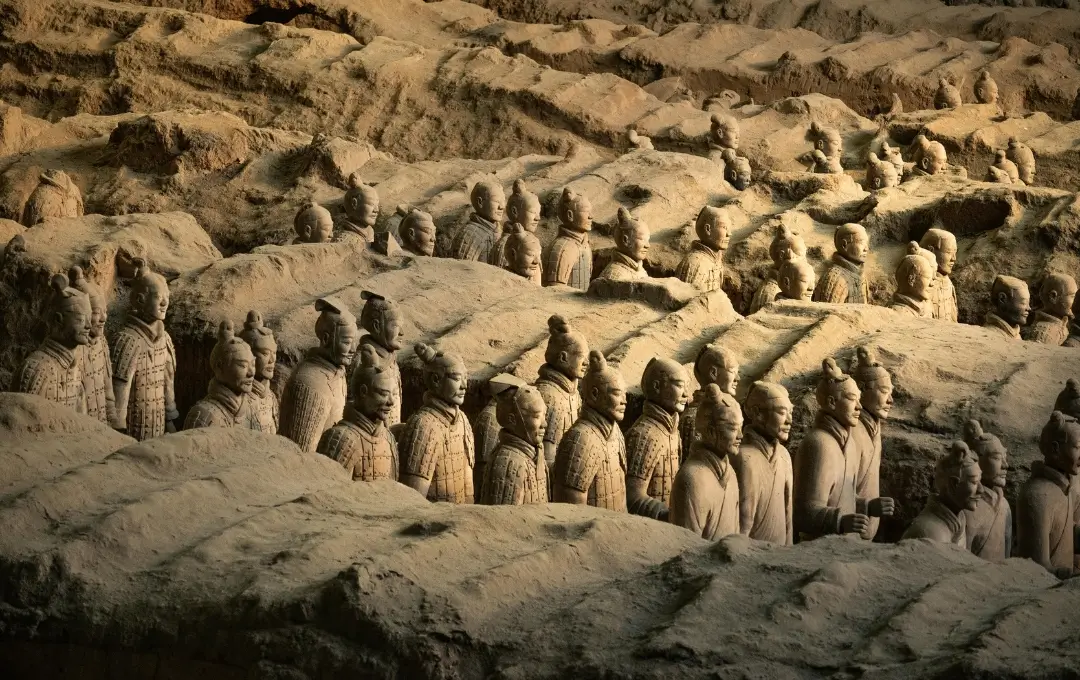
Xi’an is famous for the Terracotta Warriors and its ancient city wall. It was once the starting point of the Silk Road and has deep historical importance.
For travelers who enjoy culture, history, and traditional Chinese atmosphere, Xi’an is highly recommended.
Hangzhou
Hangzhou is known for West Lake, tea culture, temples, gardens, and a more relaxed pace. It is a good choice if you want beautiful scenery without traveling too far from Shanghai.

Zhangjiajie
Zhangjiajie is famous for its dramatic sandstone pillars, often linked with the landscapes that inspired the movie Avatar. It is ideal for travelers who love nature, mountains, and scenic photography.

Chengdu
Chengdu is best known for giant pandas, Sichuan food, tea houses, and a relaxed local lifestyle. It is a great destination for families, food lovers, and travelers who want a softer cultural experience.

How Many Days Do You Need for a First Trip to China?
The ideal trip length depends on your travel pace and the destinations you want to visit.
For most first-time visitors, 8 to 12 days is a good amount of time. This allows you to visit two or three major destinations without feeling too rushed.
5–7 Days
A short trip is best focused on one or two cities.
Good options include:
Beijing + Shanghai
Shanghai + Hangzhou
Beijing only
Shanghai only
8–10 Days
This is a great length for a classic first-time China itinerary.
A popular route could be:
Beijing
Xi’an
Shanghai
This gives you a balanced experience of history, culture, and modern city life.
12–14 Days
With two weeks, you can add a scenic or cultural destination.
Possible route:
Beijing
Xi’an
Zhangjiajie
Shanghai
Or:
Shanghai
Hangzhou
Chengdu
Beijing
Do You Need a Visa to Visit China?
Many travelers need a visa to enter China, but visa rules depend on your nationality, route, and length of stay.
Some travelers may qualify for visa-free transit policies, such as 72-hour or 144-hour transit in certain cities. These policies can be useful if you are stopping in China on the way to another country.
However, visa policies may change, so it is important to check the latest requirements before booking your trip.
If you are unsure, you can read our China Visa Guide or contact us for help based on your travel plan.
Is China Easy to Travel Around?
China has one of the best high-speed rail networks in the world. Major cities are well connected, and train travel is often fast, clean, and comfortable.
Domestic flights are also common for longer distances, especially when traveling to places such as Zhangjiajie, Guilin, Yunnan, or Chengdu.
In large cities, metro systems are convenient and affordable. However, language barriers can sometimes make independent travel more challenging. Booking tickets, finding the right exits, using local apps, and communicating with drivers may not always be easy for first-time visitors.
For travelers who want a smoother experience, private transfers and local guides can save a lot of time and stress.
What Should First-Time Travelers Know Before Visiting China?
Mobile Payments Are Very Common
In China, mobile payments are widely used. Many restaurants, shops, taxis, and attractions prefer Alipay or WeChat Pay.
International travelers can now link some foreign bank cards to these apps, but setup should be done before or shortly after arrival.
English Is Not Always Widely Spoken
In major hotels and international areas, English may be available. But in local restaurants, markets, train stations, and smaller cities, English can be limited.
Having a local guide or translation app can be very helpful.

Some Websites and Apps May Not Work
Certain foreign apps or websites may not work normally in China. It is useful to prepare alternative tools before your trip.
Travel Pace Matters
China is large, and distances between cities can be long. Try not to add too many destinations in one trip. A slower, better-planned journey is usually more enjoyable.
Best Time to Visit China
The best seasons for most travelers are spring and autumn.
Spring: April to June
Spring is a great time to visit many parts of China. The weather is usually mild, flowers are blooming, and outdoor sightseeing is comfortable.
Autumn: September to October
Autumn is often considered one of the best times to travel in China. The weather is pleasant, skies are clearer, and many landscapes look beautiful.
Summer: July to August
Summer can be hot and humid in many cities. It is also a busy travel season because of school holidays.
Winter: December to February
Winter is colder, especially in northern China, but it can be a good time to visit if you prefer fewer crowds. Beijing, Harbin, and some mountain destinations have unique winter scenery.
Sample Itinerary for First-Time Visitors
Here is a simple 8-day route for first-time travelers.
Day 1: Arrive in Beijing
Arrive in Beijing and settle into your hotel. If time allows, take a relaxing walk around a local neighborhood or enjoy a simple welcome dinner.
Day 2: Beijing City Highlights
Visit Tiananmen Square, the Forbidden City, and Jingshan Park. In the afternoon, explore traditional hutongs or enjoy a local food experience.
Day 3: Great Wall Day Trip
Take a day trip to the Great Wall. Mutianyu is a popular section for first-time visitors because it is scenic, well restored, and easier to visit.
Day 4: Beijing to Xi’an
Travel to Xi’an by high-speed train or flight. Visit the ancient city wall or explore the Muslim Quarter in the evening.
Day 5: Terracotta Warriors
Visit the Terracotta Warriors, one of China’s most famous archaeological sites. In the afternoon, explore more of Xi’an’s old city atmosphere.
Day 6: Xi’an to Shanghai
Travel to Shanghai. Enjoy an evening walk along the Bund and see the city skyline.
Day 7: Shanghai City Tour
Visit Yu Garden, the Old Town, French Concession, and Lujiazui. Try local snacks and enjoy Shanghai’s mix of modern and traditional culture.
Day 8: Departure or Optional Extension
Depending on your schedule, depart from Shanghai or add a side trip to Hangzhou, Suzhou, or a nearby water town.
Private Tour or Independent Travel?
Both options can work, depending on your travel style.
Independent travel gives you flexibility and can be suitable if you are comfortable using apps, public transport, and translation tools.
A private tour is better if you want a smoother experience, especially for your first China trip. It can help with transport, timing, tickets, local communication, and cultural understanding.
A private guide can also make the trip more meaningful by explaining the stories behind places instead of just taking you from one attraction to another.
Final Tips for First-Time Visitors
Do not try to see too many cities in one trip.
Prepare mobile payment apps before arrival.
Keep your passport with you when taking trains or visiting certain attractions.
Allow extra time for transfers and security checks.
Choose hotels in convenient areas.
Use a local guide if you want a smoother and deeper experience.
Plan Your First China Trip with Confidence
Your first trip to China can be unforgettable if it is planned carefully. Whether you want to explore ancient history, modern cities, local food, scenic landscapes, or cultural experiences, a well-designed itinerary can make the journey much easier and more enjoyable.
If you are not sure where to start, tell us your travel dates, interests, and preferred destinations. Our local team can help you design a personalized China itinerary that matches your travel style and pace.