





China public transportation system is one of the most efficient and widely connected networks in the world, making it extremely convenient for foreign travelers who want to explore cities and travel between destinations.
This guide explains how public transportation in China works, including transport types, ticket booking methods, and the best apps for navigation.
How China Public Transport Actually Works?
To travel smoothly in China, you only need to understand three things:
- Everything runs on apps (not cash, not paper tickets)
- Metro = QR code in/out system
- High-speed rail = passport-based boarding system
Once these are clear, traveling across China becomes highly predictable and very efficient.
👉 Most foreign travelers mainly use metro + high-speed rail + navigation apps.
China City Public Transport
| Mode | Best Use | Key Feature | Foreign-Friendly Level |
|---|---|---|---|
| Metro | City sightseeing & daily travel | Fast, frequent, fully digital | ⭐⭐⭐⭐⭐ |
| Public Bus | Short-distance connections | Low cost, wide coverage | ⭐⭐⭐ |
👉 Metro is the most important urban public transportation in China for foreigners, especially in cities like Shanghai, Beijing, and Xi’an.
Metro (Subway) in China
Metro is the easiest and most reliable way to travel inside Chinese cities.

How to take the subway in China?
Step 1: Open Alipay
- Go to the “Transport” or “Metro QR code” section
- Select the city (e.g., Shanghai Metro)
Step 2: Generate a QR code
- The app generates a dynamic QR code
- This code changes every 1–2 minutes (for security)
Step 3: Scan at the entry gate
- Scan the QR code at the turnstile
- Gate opens → enter
Step 4: Exit
- Scan again when leaving
- Fare is automatically calculated
How to confirm the correct station?
Instead of relying on signs alone:
- Always match the station name in the Alipay route screen + the physical station name
- Use Amap to confirm:
- English station name
- Chinese station name (critical, because gates display Chinese first)
👉 Rule: If the Chinese name matches, you are at the correct station.
Public Bus in China
Buses are more flexible but less intuitive.
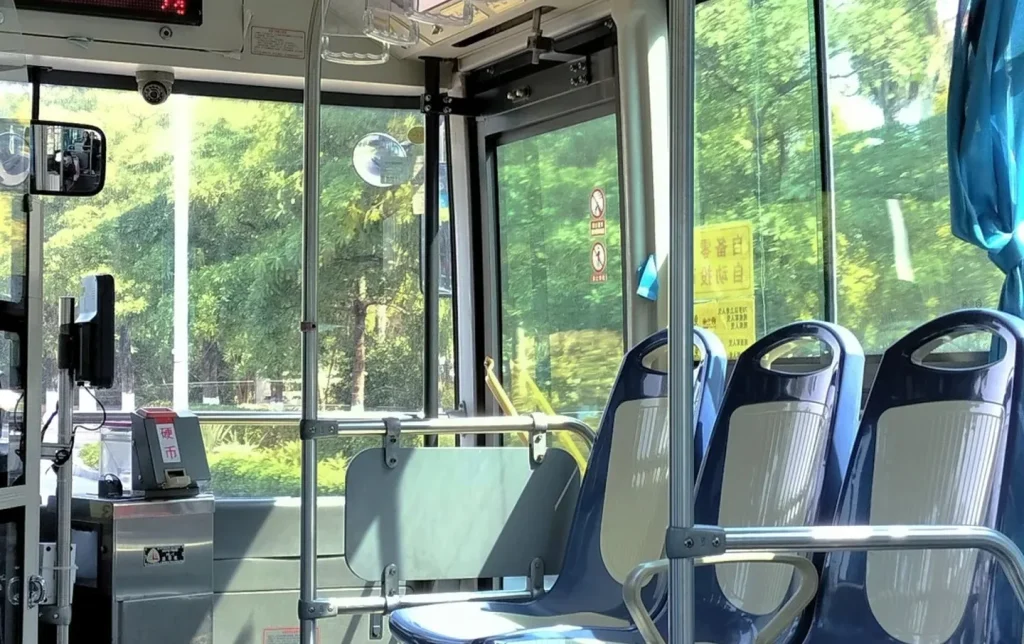
How to take the bus in China?
Step 1: Check the route in Amap
- Enter destination
- Select the “Bus” option
- It shows:
- Bus number
- Boarding stop
- Transfer points (if needed)
Step 2: Board the bus
- Enter through the front door
Step 3: Pay
- Scan the Alipay/WeChat QR code on board
Key reality:
- Stops are not always announced in English
- You must rely on Amap “live tracking” instead of signage
China Intercity Public Transport
| Type | Speed | Use Case | Key Feature |
|---|---|---|---|
| G Train | Fastest | Major city routes | Premium high-speed service |
| D Train | Fast | Regional intercity travel | Balanced speed & price |
| C Train | Moderate | Short-distance intercity | Frequent departures |
👉 High-speed rail is the core of China intercity travel for tourists, especially for routes like Shanghai–Xi’an or Beijing–Hangzhou.
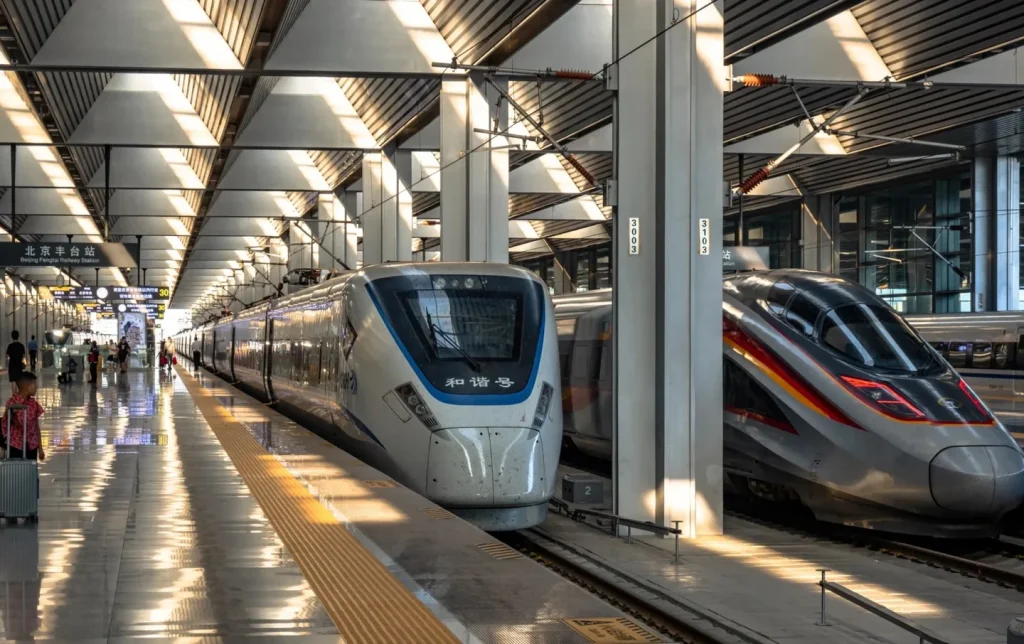
How to Buy Train Tickets in China?
| Method | Yang terbaik untuk | Language Support | Convenience Level |
|---|---|---|---|
| Trip.com | Foreign tourists | English available | ⭐⭐⭐⭐⭐ |
| 12306 App | Official booking | Limited English | ⭐⭐⭐ |
| Station Counter | Last-minute travel | Chinese mainly | ⭐⭐ |
👉 Important: In China, your passport acts as your train ticket ID, so no physical ticket is required in most cases.
How to Take a High-Speed Train in China?
Step 1: Arrive at the station early
- Recommended: 45–60 minutes before departure
Step 2: Enter the station
- Scan the passport at the security gate
Step 3: Find a platform
- Use ticket or app:
- Train number (e.g., G1234)
- Departure gate
Step 4: Board train
- No paper ticket needed
- A passport is your entry ID
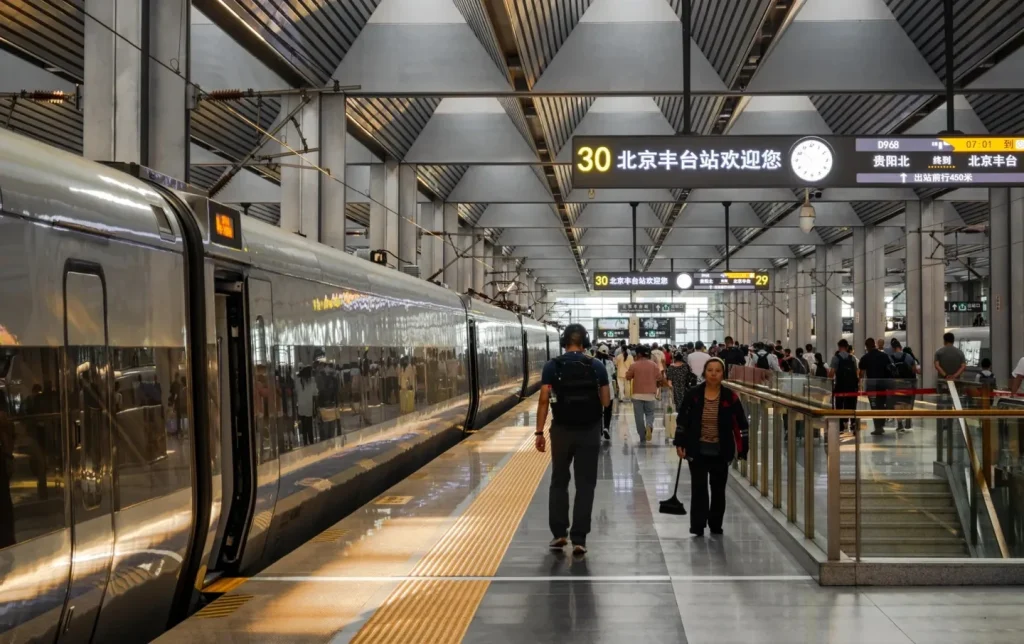
How to confirm the correct train & platform?
Instead of “reading signs,” do this:
- Check the train number first (G / D + numbers)
- Match it with:
- Ticket
- Station display board (same train number)
👉 In China, the train number is more important than the destination name
Public Transportation Cards in China
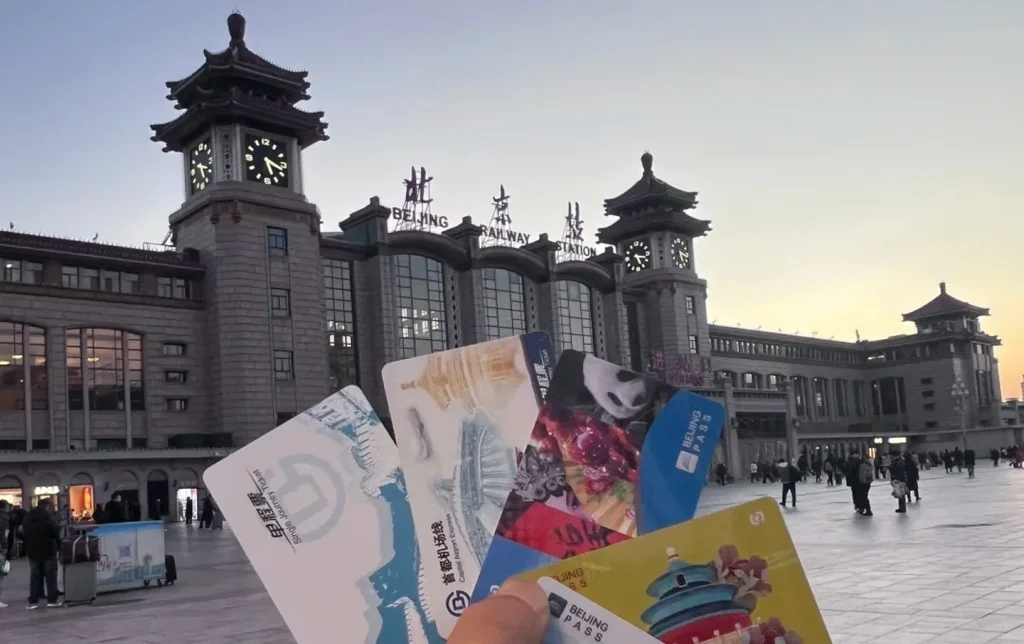
Some cities still offer physical transportation cards such as the Shanghai Public Transportation Card or Beijing Yikatong Card. These cards can be used for the metro, buses, and sometimes other local transport systems.
However, for most foreign travelers, mobile payment systems like Alipay have largely replaced physical cards. QR-based entry is now the most common and convenient method across major cities.
If you are planning to stay for a few days, it is also worth considering local multi-day metro or transport passes. These cards are designed for short-term visitors and can be used across metro and sometimes bus systems within the city.
They are usually easy to purchase and recharge, and in some cities, the cards also feature local cultural designs, making them not only convenient for travel but also a small souvenir to keep after your trip.
Special Public Transport in China
Some public transport in China is also part of sightseeing:
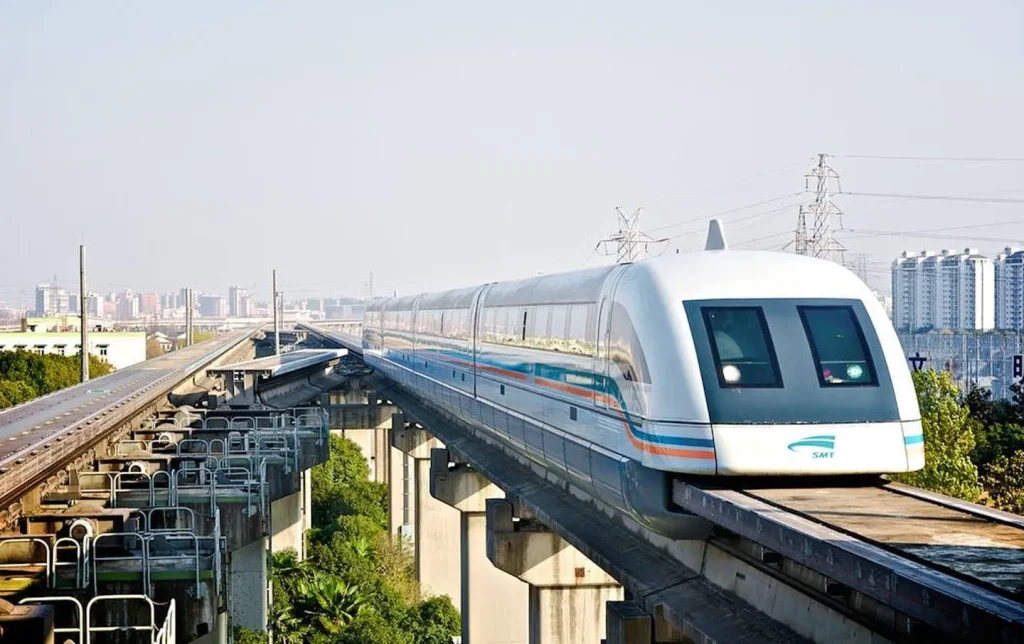
- Shanghai – Maglev Train: Ultra-high-speed magnetic levitation train connecting Pudong Airport and the city, offering one of the fastest commercial rail experiences in the world.
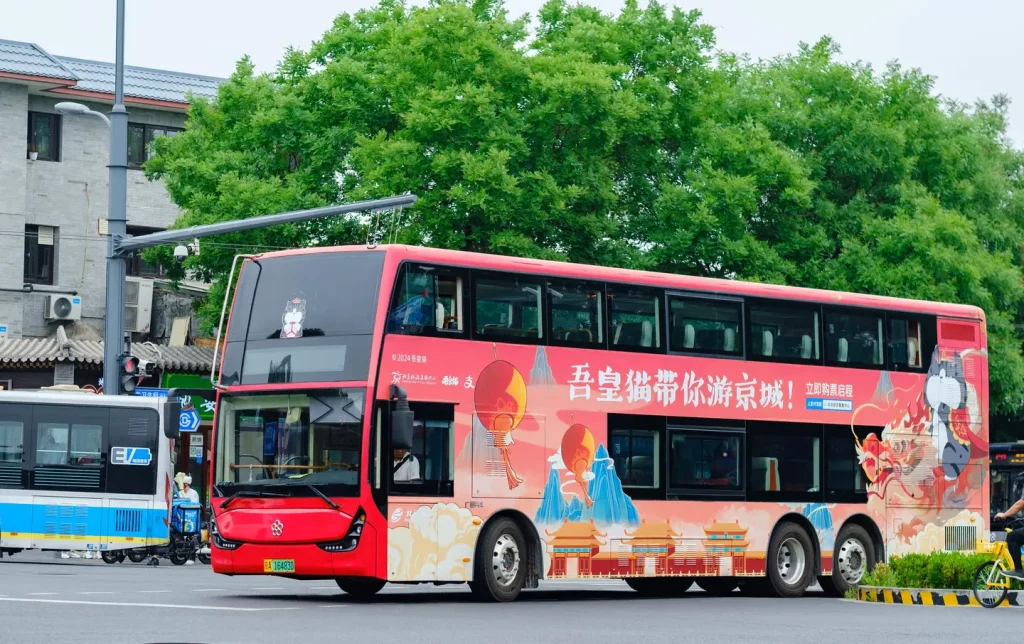
- Beijing – Sightseeing Bus Routes: Double-decker buses covering major landmarks such as Tiananmen Square, the Forbidden City area, and the Temple of Heaven.
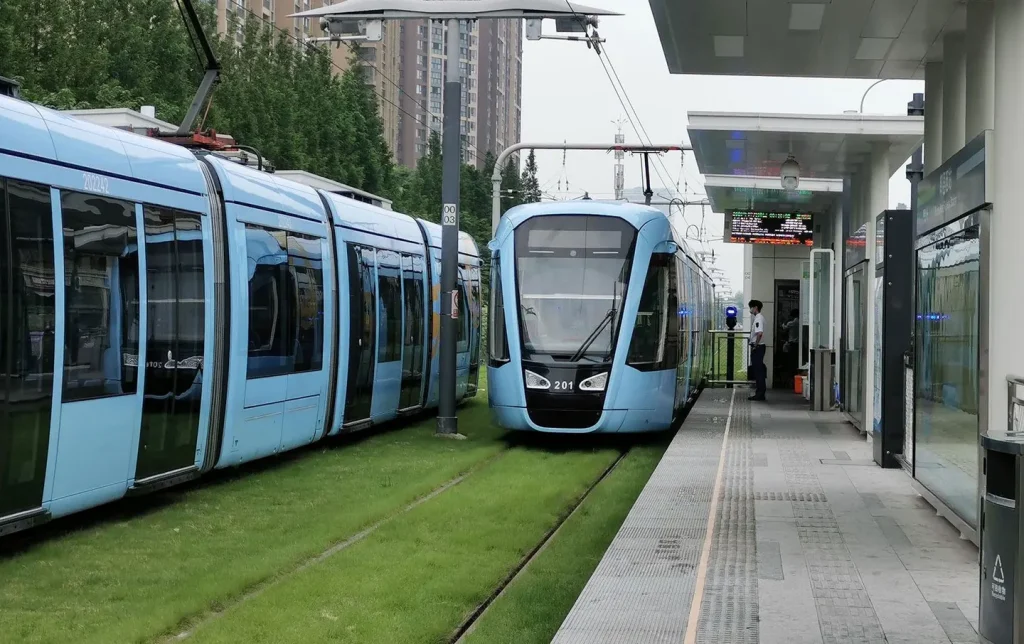
- Chengdu – Tram Line (Modern Light Rail): A scenic urban tram system passing through residential areas and modern city districts, offering a slower, relaxed city view.
- Guangzhou – Pearl River Ferry: Public ferry routes crossing the Pearl River, providing both daily transport and night skyline views.

- Hangzhou – Public Water Bus System: A water-based public transit line connecting key areas around West Lake and adjacent urban zones.

Essential Apps for Public Transportation in China
Without these apps, public transport becomes difficult.
Amap (Peta Gaode)
Used for:
- Metro routes
- Bus live tracking
- Walking navigation
- Real-time arrival times
👉 This replaces Google Maps in China
Alipay — transport access core
Used for:
- Metro QR code entry
- Bus QR payment
- City transport integration
- Some city transit passes
Ready to Explore China
If you’re still a bit unsure about how transportation works in China, feel free to reach out anytime—we’re happy to help you sort it out.
And if you’re already feeling ready, it might be the perfect time to start planning your China trip. Chinainsighttravel a local travel agency with experience in private, customized tours across China, and we’d be glad to help you put everything together.